The Namib Desert doesn’t just sit on a map—it pulls you in. The name itself feels ancient, almost whispered by the wind. This is a place where the earth breathes in slow motion, where silence stretches endlessly, and where every grain of sand carries a story millions of years old.
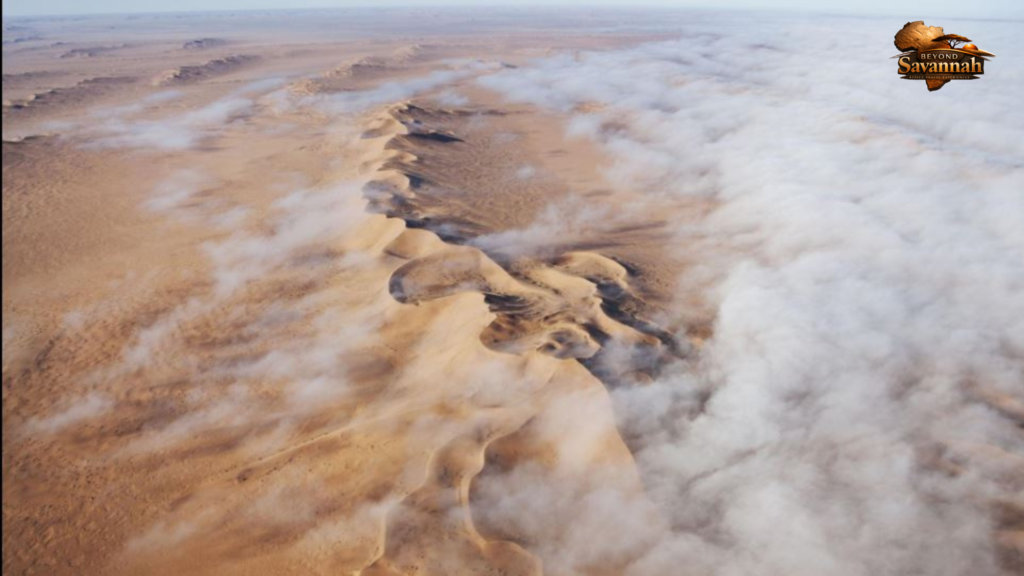
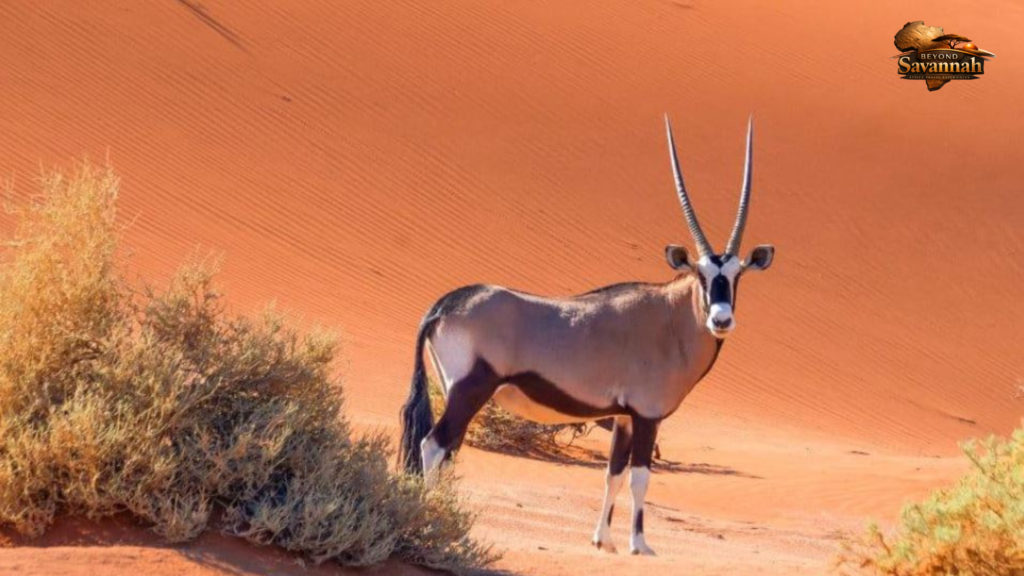
Running for over 2,000 kilometers along Namibia’s Atlantic coastline, the Namib is widely considered the oldest desert on Earth. But calling it just a desert feels incomplete. It is a living canvas of extremes—where towering dunes meet crashing ocean waves, where scorching heat gives way to icy nights, and where life, against all odds, quietly thrives.
This is not just a destination. It’s an experience that humbles you, slows you down, and stays with you long after you’ve left.
A Landscape Like No Other: Where Earth Feels Alive
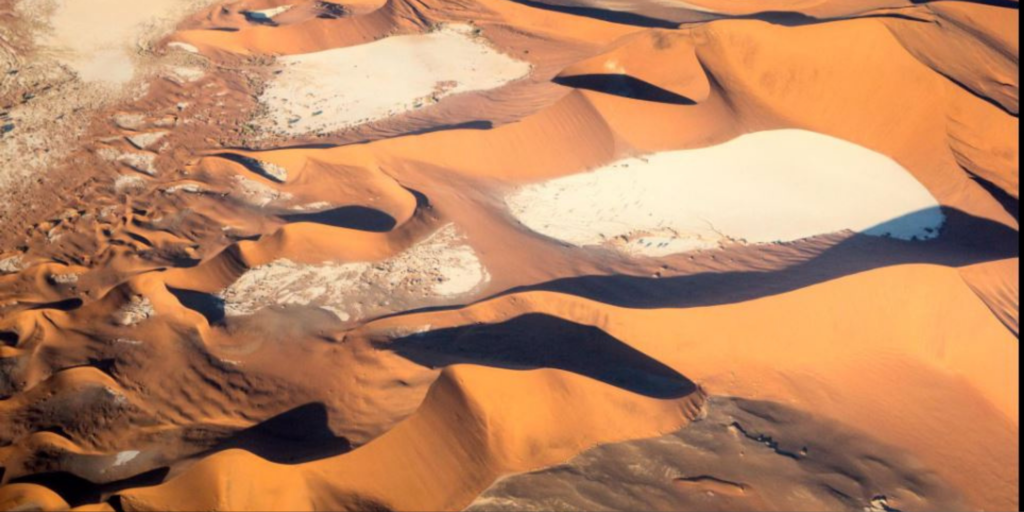
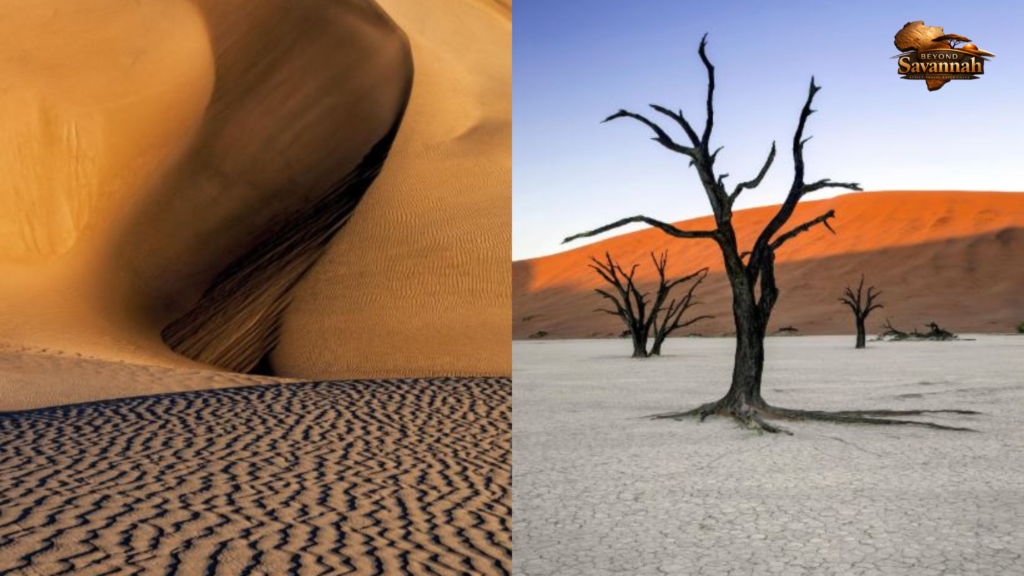
At the heart of the Namib lies the iconic Sossusvlei—a surreal world of towering red dunes, some among the highest on the planet. As the sun rises, the dunes ignite in deep orange and crimson tones, casting long shadows that shift by the minute. Climbing one of these giants at dawn is not just physical—it’s emotional. You feel small, yet completely present.
Just nearby, Deadvlei offers a haunting contrast. Ancient, blackened camel thorn trees stand frozen in time on a white clay pan, framed by rust-colored dunes and a sky so blue it feels unreal. It’s one of those places that doesn’t look real—even when you’re standing in it.
But the Namib is more than dunes.
- Endless gravel plains stretch into infinity, creating a deep sense of isolation and peace
- Rugged mountain ranges rise unexpectedly from the desert floor
- Ancient canyons carve through the land, revealing millions of years of geological history
Every turn feels like discovering a new planet.
 Book / Customize Trip