Explore the Namib Desert: Africa’s Timeless Ocean of Sand & Silence

The Namib Desert doesn’t just sit on a map—it pulls you in. The name itself feels ancient, almost whispered by the wind. This is a place where the earth breathes in slow motion, where silence stretches endlessly, and where every grain of sand carries a story millions of years old.

Running for over 2,000 kilometers along Namibia’s Atlantic coastline, the Namib is widely considered the oldest desert on Earth. But calling it just a desert feels incomplete. It is a living canvas of extremes—where towering dunes meet crashing ocean waves, where scorching heat gives way to icy nights, and where life, against all odds, quietly thrives.

This is not just a destination. It’s an experience that humbles you, slows you down, and stays with you long after you’ve left.

A Landscape Like No Other: Where Earth Feels Alive

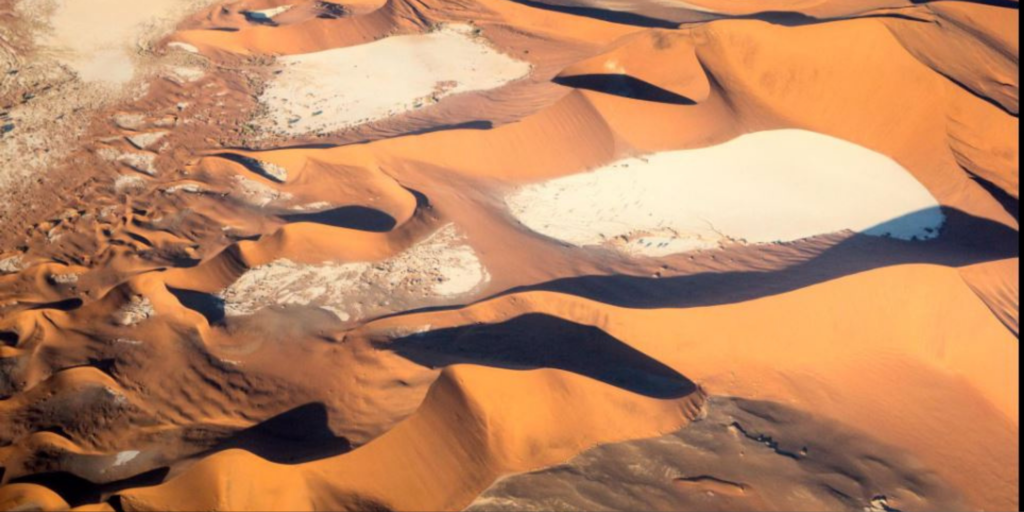
At the heart of the Namib lies the iconic Sossusvlei—a surreal world of towering red dunes, some among the highest on the planet. As the sun rises, the dunes ignite in deep orange and crimson tones, casting long shadows that shift by the minute. Climbing one of these giants at dawn is not just physical—it’s emotional. You feel small, yet completely present.

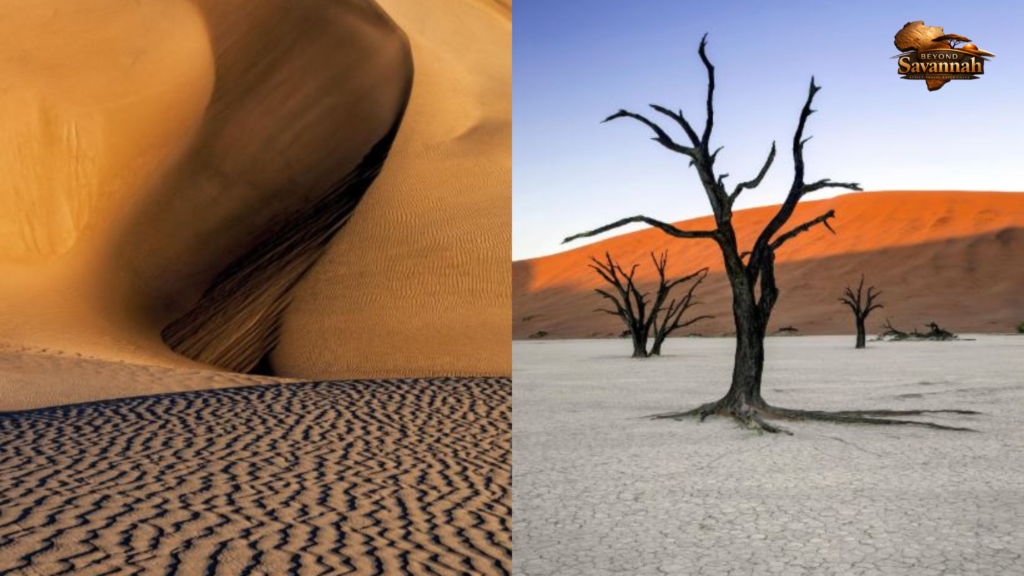
Just nearby, Deadvlei offers a haunting contrast. Ancient, blackened camel thorn trees stand frozen in time on a white clay pan, framed by rust-colored dunes and a sky so blue it feels unreal. It’s one of those places that doesn’t look real—even when you’re standing in it.

But the Namib is more than dunes.

  • Endless gravel plains stretch into infinity, creating a deep sense of isolation and peace
  • Rugged mountain ranges rise unexpectedly from the desert floor
  • Ancient canyons carve through the land, revealing millions of years of geological history

Every turn feels like discovering a new planet.

chaz (2)

Where Desert Meets Ocean: The Mystique of the Skeleton Coast

On the western edge, the desert collides with the Atlantic at the haunting Skeleton Coast.This is where beauty turns eerie.

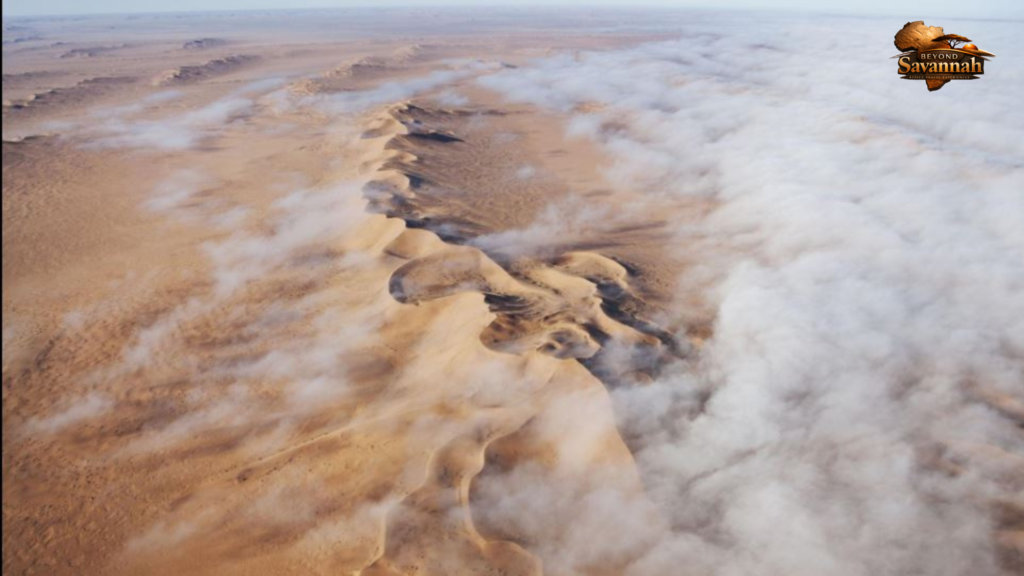
Shipwrecks lie scattered along the shore—ghostly reminders of sailors who underestimated the ocean’s force. Thick fog, rolling in from the cold Benguela Current, blankets the coastline, creating an almost cinematic atmosphere.

Yet, this fog is life itself.

In a place where rain is rare, it becomes a critical water source, sustaining plants, insects, and animals that have adapted in ways that feel almost unbelievable.

chaz (3)

Life Against All Odds: Nature’s Quiet Resilience

At first glance, the Namib feels lifeless. Stay a little longer, and it reveals its secrets.

Life here doesn’t just survive—it adapts, evolves, and endures.

  • The ancient Welwitschia mirabilis can live for over 1,000 years, surviving on fog and resilience
  • Tiny fog-basking beetles collect water by standing on their heads at dawn
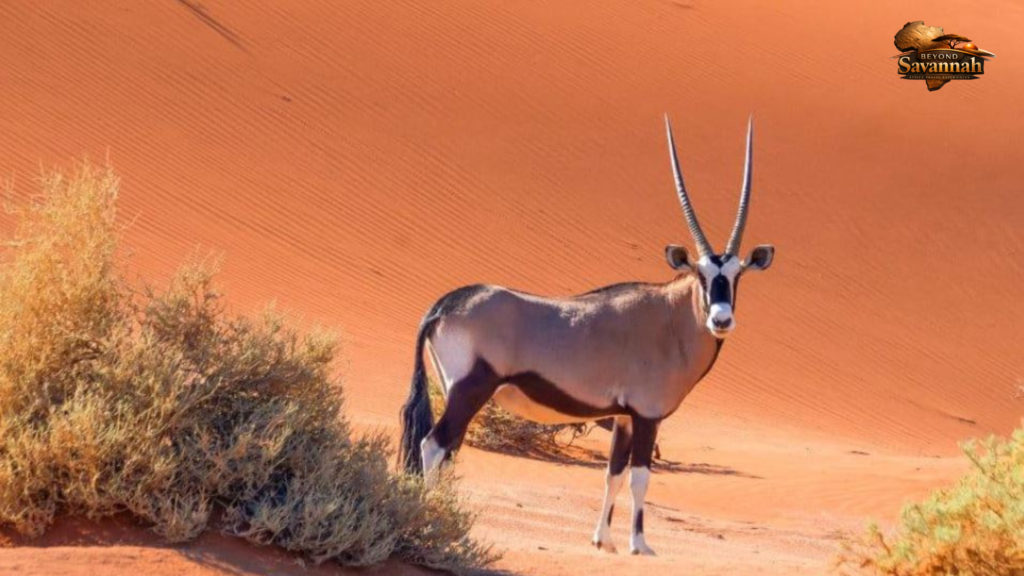
  • Elegant oryx regulate their body temperature to survive extreme heat
  • Desert-adapted elephants roam vast distances, guided by instinct and memory

Every creature here is a masterclass in survival.

And witnessing it? It changes your perspective on what life is capable of.

chaz (4)

Unforgettable Adventures in the Namib

The Namib isn’t just something you see—it’s something you do.

  • Climb Dune 45 at sunrise and watch the desert awaken
  • Take a scenic flight to truly grasp the scale of this endless landscape
  • Explore hidden corners on a 4×4 safari or quad bike adventure
  • Track wildlife on a guided desert game drive
  • Experience silence like never before under a sky exploding with stars

At night, the Namib becomes something else entirely. With almost zero light pollution, the sky transforms into a cosmic masterpiece—a reminder of just how small we are in the grand scheme of things.


When to Visit & How to Prepare

The Namib rewards those who plan well.

Best time to visit:
April to September (cooler months, more comfortable for exploration)

Essential tips:

  • Pack light, breathable clothing—but include layers for cold nights
  • Stay hydrated—this environment is unforgiving
  • Bring sunscreen, sunglasses, and a hat (the sun is intense)
  • Use a reliable 4×4 if self-driving
  • Respect the fragile ecosystem—leave no trace

This is a destination where preparation isn’t optional—it’s essential.


Why the Namib Desert Belongs on Your Bucket List

There are places you visit… and places that change you.

The Namib Desert is the latter.

It strips away distraction. It replaces noise with silence. It reminds you how powerful nature is—and how small we are within it. And yet, in that vast emptiness, you find something unexpected: clarity, awe, and a deep sense of connection.


Discover the Namib with BeyondSavannah

At BeyondSavannah, we connect you with trusted tour operators offering curated Namib Desert experiences—from luxury lodge stays to raw, off-the-grid expeditions.

Whether you’re chasing adventure, photography, or pure stillness—the Namib is waiting.

Start exploring. Start listing. Start your journey beyond the ordinary.

Comments

  • No comments yet.
  • Add a comment
    Book / Customize Trip